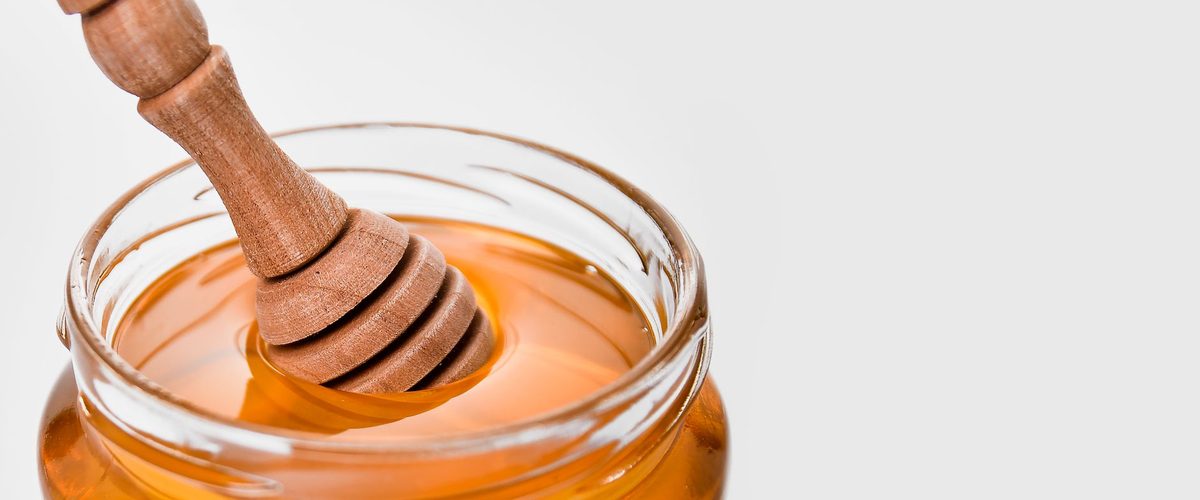
Most parents know the headline rule: no honey before age one. Fewer know exactly why, or that the risk isn't about sugar at all — it's about a bacterium that can live in honey and, in rare cases, cause a serious illness called infant botulism.
What's actually happening
Clostridium botulinum spores can be present in honey — including raw, organic, and "pure" honey, since the spores survive normal processing. In adults and older children, a mature gut microbiome keeps these spores from taking hold. In babies under 12 months, the gut hasn't developed that defense yet, so the spores can germinate, colonize the intestine, and produce a toxin that affects the nervous system.
Infant botulism is rare, but it's serious enough that it's treated as an absolute rule rather than a "use caution" guideline. Early signs include constipation, poor feeding, a weak cry, and reduced muscle tone — often described by pediatricians as a baby who suddenly seems "floppy."
Where honey hides
The direct cases — honey on toast, honey in tea — are usually easy to catch. The ones that trip parents up are the ingredients that don't say "honey" on the front of the package:
- "Honey graham" crackers and cereals — honey is often the second or third ingredient, not just flavoring.
- Granola and snack bars marketed for toddlers, which frequently use honey as the binding syrup.
- Teething biscuits from some smaller or international brands that haven't reformulated for the under-1 market.
- Glazes and marinades on prepared baby-adjacent meals, particularly Asian and Middle Eastern-style dishes.
- Cough and cold remedies, including some "natural" formulations that use honey as a base — always check with a pediatrician before giving any remedy to a baby under one.
What to check on a label
Ingredient panels don't always say "honey" plainly. Watch for honey solids, honey powder, and blended sweeteners like honey-agave blend. If a product lists any of these and your child is under 12 months, treat it the same as plain honey.
After 12 months
Once a baby turns one, the risk drops sharply as the gut microbiome matures, and honey becomes fine in normal amounts. There's no need to wait longer than the standard guidance, and no benefit to introducing it unusually early either.
Rambo flags hidden honey automatically
Scan any snack or teething product and Rambo checks the full ingredient panel against your child's age — including honey listed under a different name.